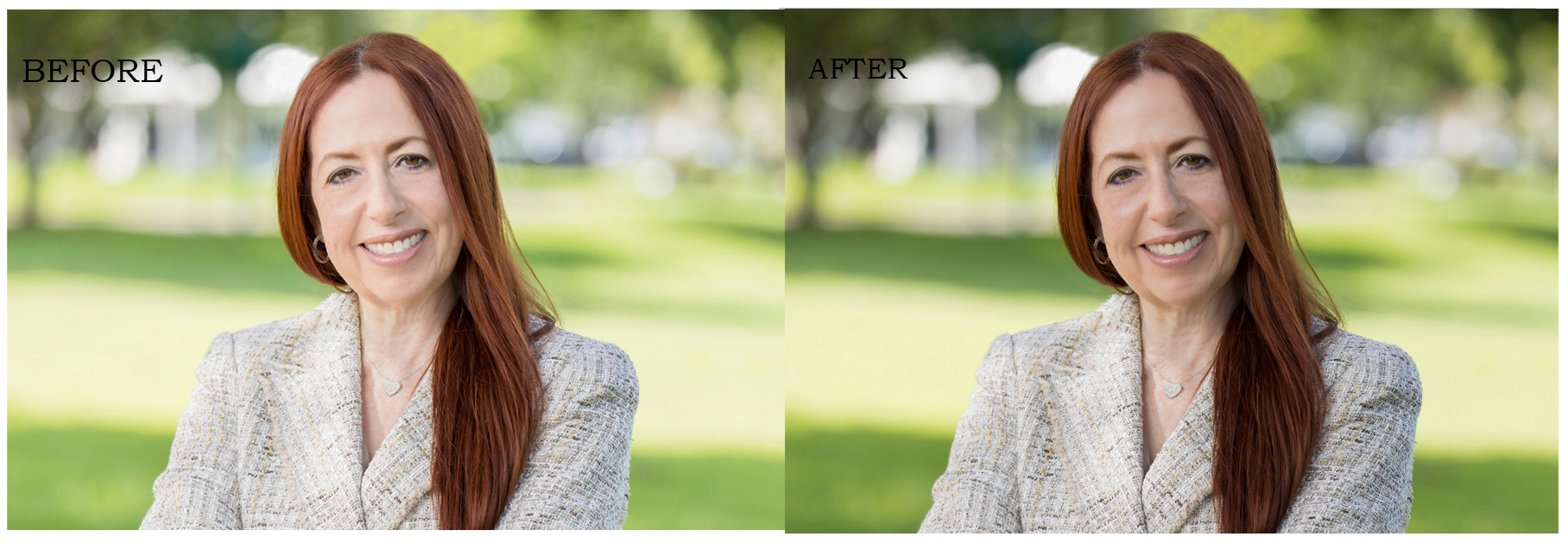
In the realm of visual media, portraits hold a unique place, capturing the essence of individuals and preserving their moments in time. Whether for personal keepsakes, professional profiles, or marketing purposes, a portrait often serves as a powerful representation of one's identity. Portrait retouching services, which encompass a range of techniques designed to enhance and perfect images, play a crucial role in achieving the desired aesthetic and emotional impact. This essay explores the significance of portrait retouching services, the various techniques employed, the expertise required, and the broader implications of this practice.
In professional settings, photo editing is indispensable. For businesses and brands, high-quality images are essential for creating compelling marketing materials, advertisements, and product listings. Edited product photos, for example, not only showcase items in their best light but also maintain a consistent and polished brand image. In the realm of media and entertainment, photo editing plays a crucial role in crafting visually appealing content that captures attention and communicates messages effectively.
The Significance of Portrait Retouching
Portrait retouching is integral to creating images that not only flatter but also resonate with the viewer. In personal contexts, retouching helps individuals present themselves in the best possible light, whether for family photos, social media profiles, or special events. Professional portrait retouching is equally important in fields such as fashion, entertainment, and business, where high-quality images contribute to personal branding, public image, and marketing success.
Retouching services ensure that portraits accurately represent the subject while highlighting their best features. By addressing imperfections and enhancing visual appeal, retouching can transform a good photograph into a captivating one, thereby making it more impactful and memorable.
Techniques and Applications
Portrait retouching encompasses a variety of techniques, each aimed at improving different aspects of an image. Key techniques include:
Skin Smoothing and Blemish Removal: One of the most common retouching tasks is smoothing skin to eliminate blemishes, wrinkles, and imperfections. This is achieved through techniques like frequency separation and dodge-and-burn methods, which help create a flawless yet natural appearance.
Teeth Whitening and Eye Enhancement: Retouching services often include whitening teeth and enhancing the eyes to make them stand out. Brightening and sharpening the eyes, along with whitening teeth, can significantly improve the overall look of a portrait, making the subject appear more vibrant and engaging.
Color Correction and Balancing: Adjusting colors and correcting lighting issues are essential for achieving a natural and appealing look. This involves fine-tuning skin tones, balancing colors, and ensuring that the portrait accurately reflects the subject's true appearance.
Hair Retouching: Editing hair involves removing stray strands, adding volume, or adjusting color. This technique helps create a polished and cohesive look, particularly important in fashion and professional photography.
Background Enhancement or Replacement: Sometimes, the background of a portrait can detract from the subject. Retouching services may include background enhancements or replacements to ensure that the focus remains on the subject.
Artistic Enhancements: Retouching can also involve creative adjustments, such as adding artistic effects or applying filters to achieve a specific mood or style. This is often used in high-fashion or conceptual portraits to create a unique visual impact.
Expertise and Skill Set
Effective portrait retouching requires a blend of technical skills and artistic sensibility. Proficiency with software tools such as Adobe Photoshop and Lightroom is fundamental, as these programs offer a range of functionalities for detailed editing and enhancement.
Editors must possess a keen eye for detail and a strong understanding of visual aesthetics. Balancing the need for perfection with the goal of maintaining a natural appearance is crucial. This involves knowing how to correct imperfections without making the subject look artificial or overly processed.
Furthermore, understanding the specific needs of different clients and industries is essential. For instance, retouching for a corporate headshot may prioritize a polished, professional look, while fashion photography may focus on high-impact, stylistic edits. Adapting to these requirements ensures that the final product meets the client’s expectations and serves its intended purpose.
Broader Implications and Ethical Considerations
Portrait retouching has broader implications beyond aesthetic enhancement. It plays a significant role in shaping personal and professional identities, influencing public perceptions, and contributing to marketing and branding efforts. High-quality retouching can enhance an individual's image and bolster their career prospects, while also impacting how they are perceived in the public eye.
However, portrait retouching also raises ethical considerations. There is a fine line between enhancing an image and misrepresenting reality. Excessive retouching can lead to unrealistic beauty standards and contribute to issues of self-esteem and body image. It is essential for retouching practices to strike a balance between enhancement and authenticity, ensuring that the final portrait reflects the subject's true self while presenting them in the best possible light.
Portrait retouching services are a vital component of modern photography, offering a range of techniques to enhance and perfect images. By addressing imperfections, adjusting colors, and applying creative effects, retouching transforms portraits into powerful visual representations. The expertise required for effective retouching underscores the importance of technical skill and artistic vision, while the broader implications highlight the need for ethical considerations. As technology and techniques continue to evolve, portrait retouching will remain a key tool in shaping how individuals are portrayed and perceived across various contexts.